The Best Zinnia Companion Vegetables For A Thriving Garden
Title: The Best Zinnia Companion Vegetables for a Thriving Garden
Introduction:
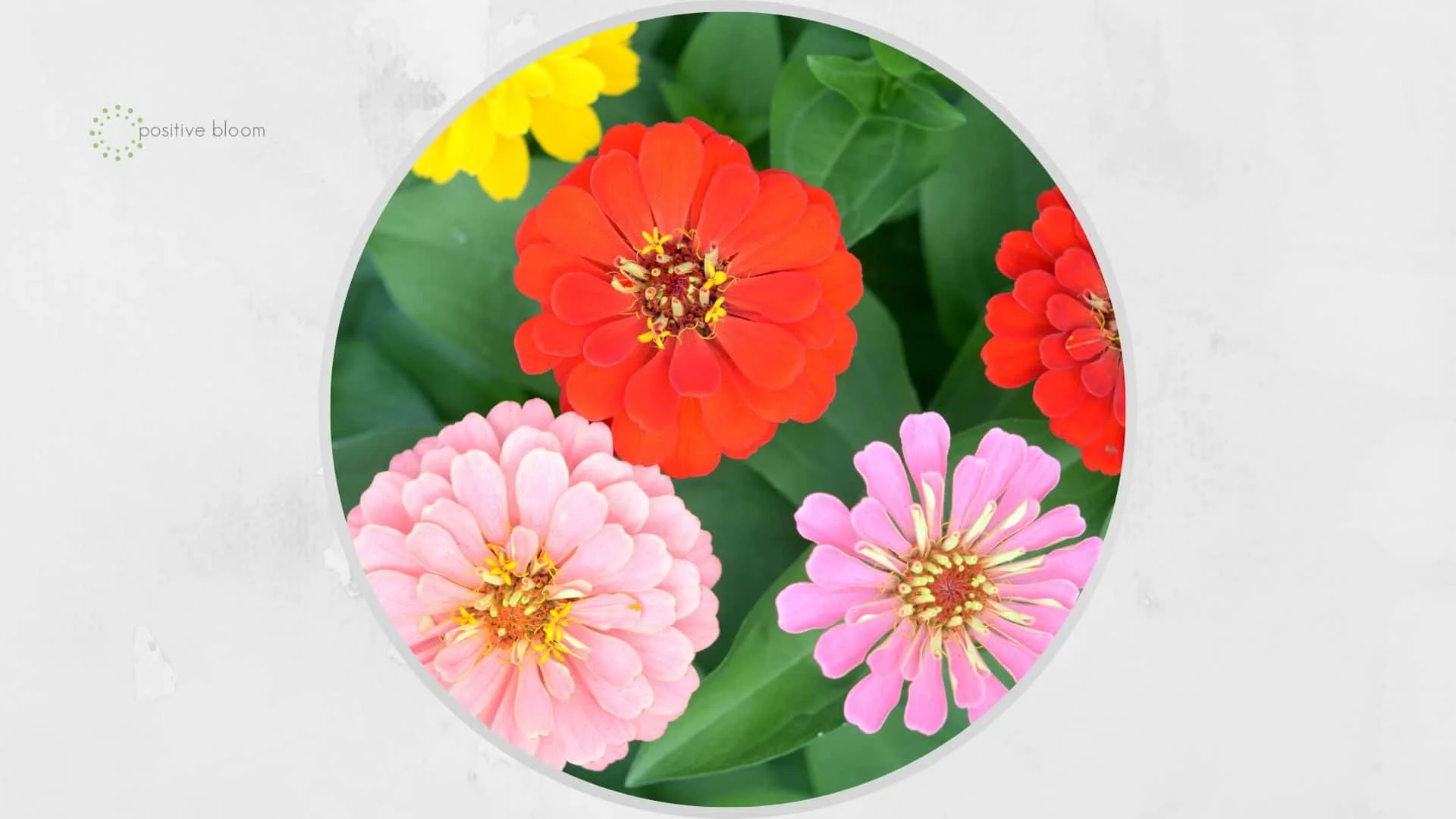
Zinnias are beautiful, colorful flowers that add a touch of cheer to any garden. But did you know that they can also be beneficial to your vegetable garden? Zinnias attract pollinators, which help to pollinate your vegetables and increase your yields. They also help to deter pests, such as aphids and whiteflies.
In this blog post, we will discuss the best zinnia companion vegetables. We will also provide tips on how to plant and care for these companion plants.
Main Content:
Here are some of the best zinnia companion vegetables:
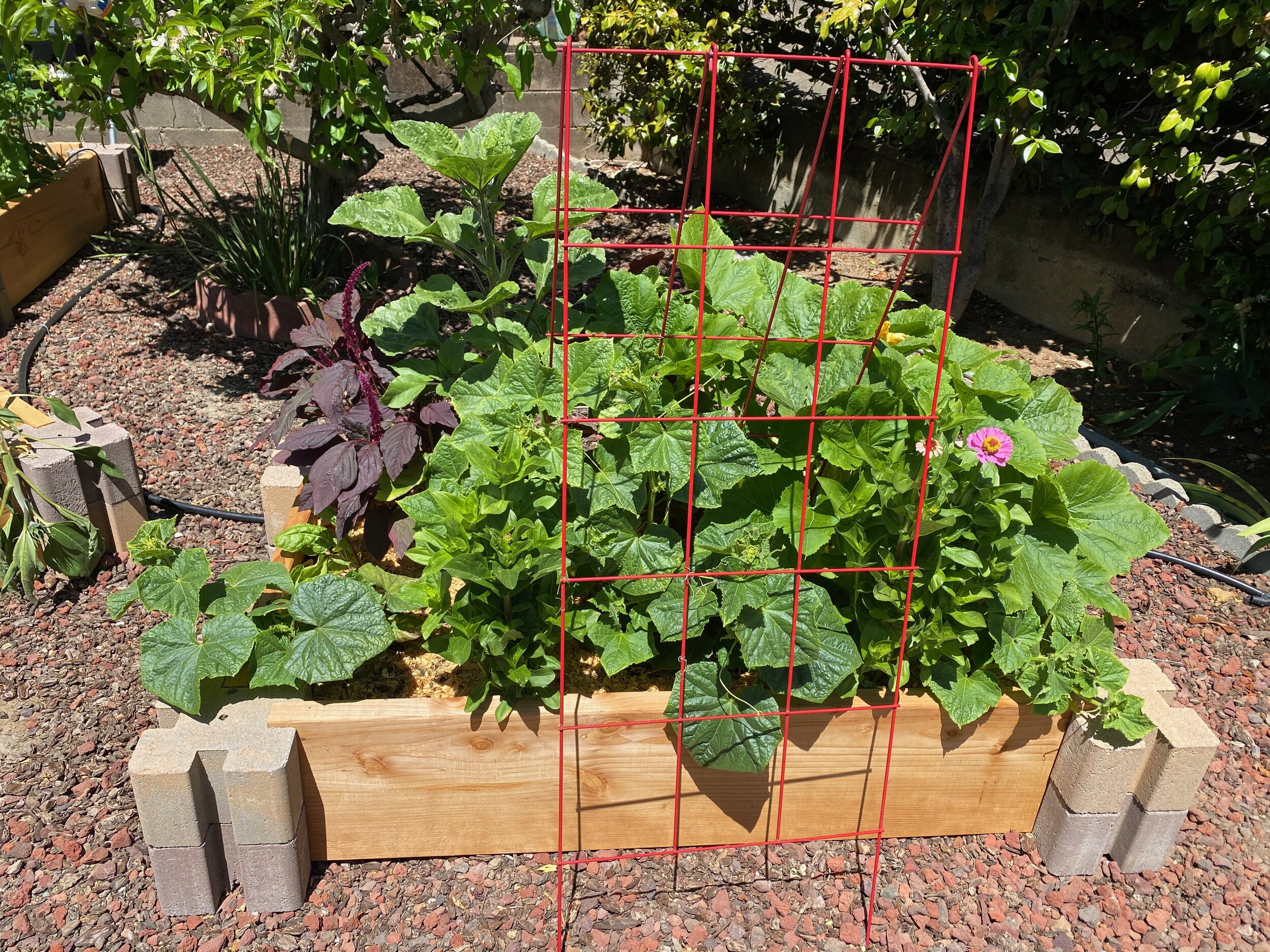
- Cucurbits: Cucurbits, such as cucumbers, melons, and squash, are great companions for zinnias. They have similar growing requirements and attract the same beneficial insects. Zinnias can also help to deter cucumber beetles, which are a common pest of cucurbits.
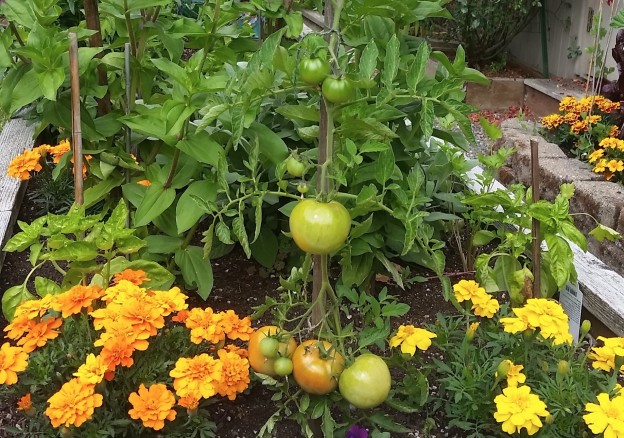
- Tomatoes: Tomatoes and zinnias are both heavy feeders, so they benefit from being planted together. The zinnias will help to improve the soil quality for the tomatoes, and the tomatoes will provide shade for the zinnias during hot weather.
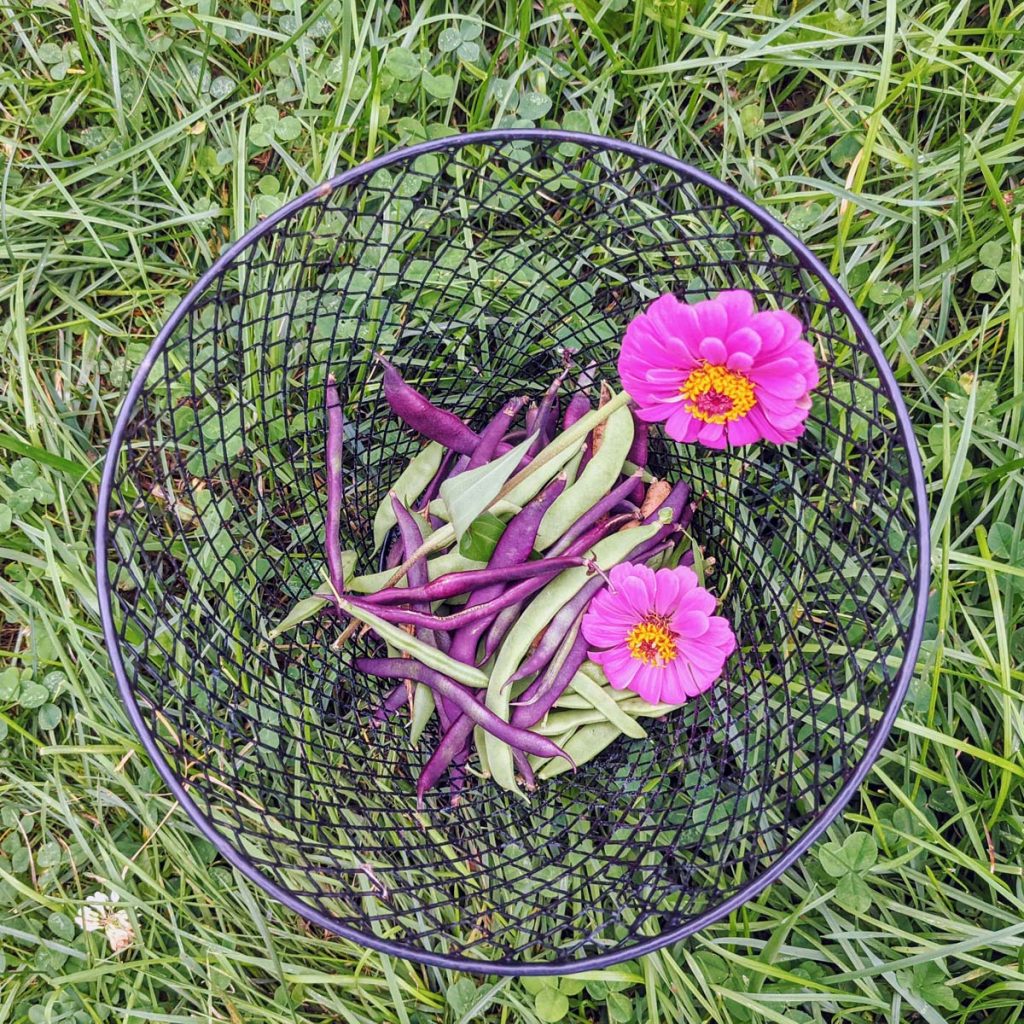
- Beans: Beans and zinnias are both nitrogen-fixing plants, which means that they can help to enrich the soil for each other. Zinnias can also help to attract beneficial insects that help to control bean pests.
- Peppers: Peppers and zinnias are both heat-loving plants, so they can be planted together in warm climates. Zinnias can help to deter pests from peppers, such as aphids and whiteflies.

- Carrots: Carrots and zinnias are both relatively low-maintenance plants, so they can be planted together without much fuss. Zinnias can help to attract beneficial insects that help to control carrot pests, such as carrot flies.


Conclusion:
Zinnias are a great addition to any vegetable garden. They are not only beautiful, but they can also help to attract pollinators, deter pests, and improve soil quality. By planting zinnias with the right companion vegetables, you can create a thriving garden that is both beautiful and productive.
Here are some additional tips for planting and caring for zinnia companion vegetables:
- Plant zinnias and their companion vegetables in full sun.
- Amend the soil with compost or other organic matter before planting.
- Water the plants regularly, especially during hot weather.
- Fertilize the plants every few weeks with a balanced fertilizer.
- Deadhead spent flowers to encourage continued blooming.
- Protect the plants from pests and diseases.
By following these tips, you can enjoy beautiful and bountiful harvests from your zinnia companion vegetable garden.
- Visit Home Gardening for more information about zinnia companion vegetables.
FAQ of zinnia companion vegetables
What are the best companion vegetables for zinnias?
Some of the best companion vegetables for zinnias include:
- Cucurbits: Cucumbers, melons, squash, and other cucurbits are all good companions for zinnias. They have similar growing requirements and can help to attract beneficial insects that deter pests.
- Tomatoes: Zinnias can help to attract pollinators that help to improve tomato production. They can also help to suppress the growth of tomato hornworms.
- Beans: Zinnias can help to attract predators of bean beetles, such as ladybugs and lacewings. They can also help to improve the yield of beans by attracting pollinators.
- Basil: Basil is a popular companion plant for many vegetables, and zinnias are no exception. Basil can help to repel pests such as mosquitoes and aphids, and it can also improve the flavor of zinnia flowers.
- Marigolds: Marigolds are another popular companion plant that can help to attract beneficial insects and deter pests. They can also help to improve the drainage of soil, which can benefit zinnias.
What vegetables should I avoid planting near zinnias?
There are a few vegetables that you should avoid planting near zinnias, including:
- Potatoes: Potatoes and zinnias can compete for nutrients, so it is best to plant them in separate areas of your garden.
- Carrots: Carrots and zinnias can both be susceptible to the same pests and diseases, so it is best to avoid planting them near each other.
- Cabbage family vegetables: Zinnias can attract pests that also target cabbage family vegetables, such as cabbage loopers and flea beetles. It is best to avoid planting zinnias near these vegetables.
What are the benefits of companion planting zinnias with vegetables?
There are many benefits to companion planting zinnias with vegetables, including:
- Attracting beneficial insects: Zinnias attract a variety of beneficial insects, such as ladybugs, lacewings, and parasitic wasps. These insects help to control pests that can damage vegetables.
- Improving pollination: Zinnias are attractive to pollinators, such as bees and butterflies. These pollinators help to pollinate vegetables, which can lead to increased yields.
- Suppressing weeds: Zinnias can help to suppress the growth of weeds by shading the soil and competing for nutrients.
- Improving drainage: Zinnias have deep roots that can help to improve the drainage of soil. This can benefit vegetables that are susceptible to root rot.
How far apart should I plant zinnias and vegetables?
The spacing requirements for zinnias and vegetables will vary depending on the specific varieties you are planting. However, as a general rule, you should plant zinnias and vegetables at least 12 inches apart. This will give them enough space to grow and thrive.
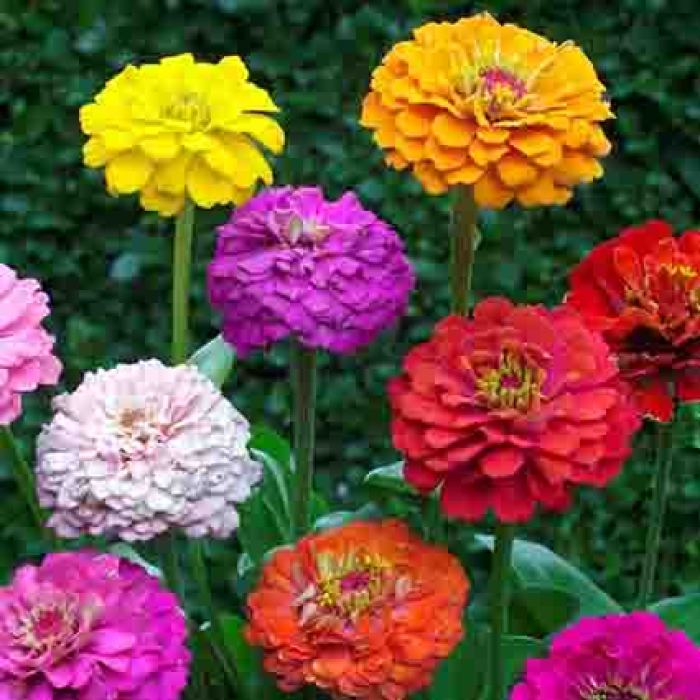
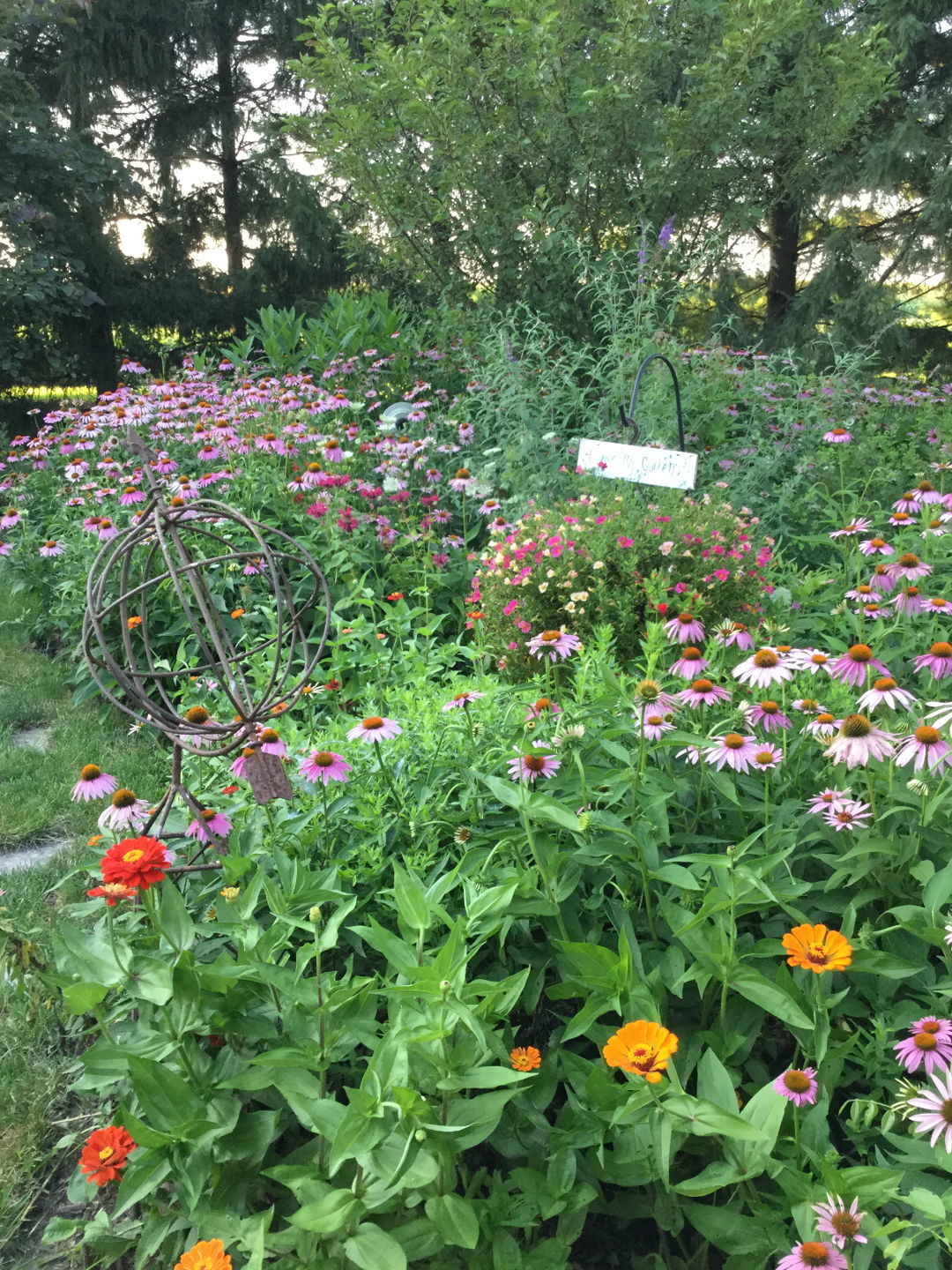
Image of zinnia companion vegetables
- Tomatoes: Zinnias can help to deter tomato hornworms, which are a common pest of tomatoes.
- Cucumbers: Zinnias can help to attract beneficial insects, such as ladybugs and lacewings, which can help to control cucumber pests.
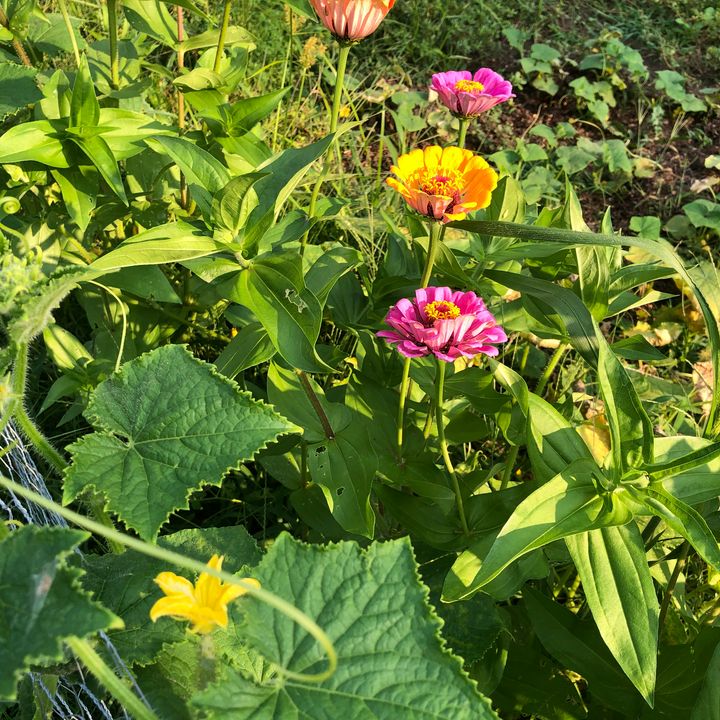
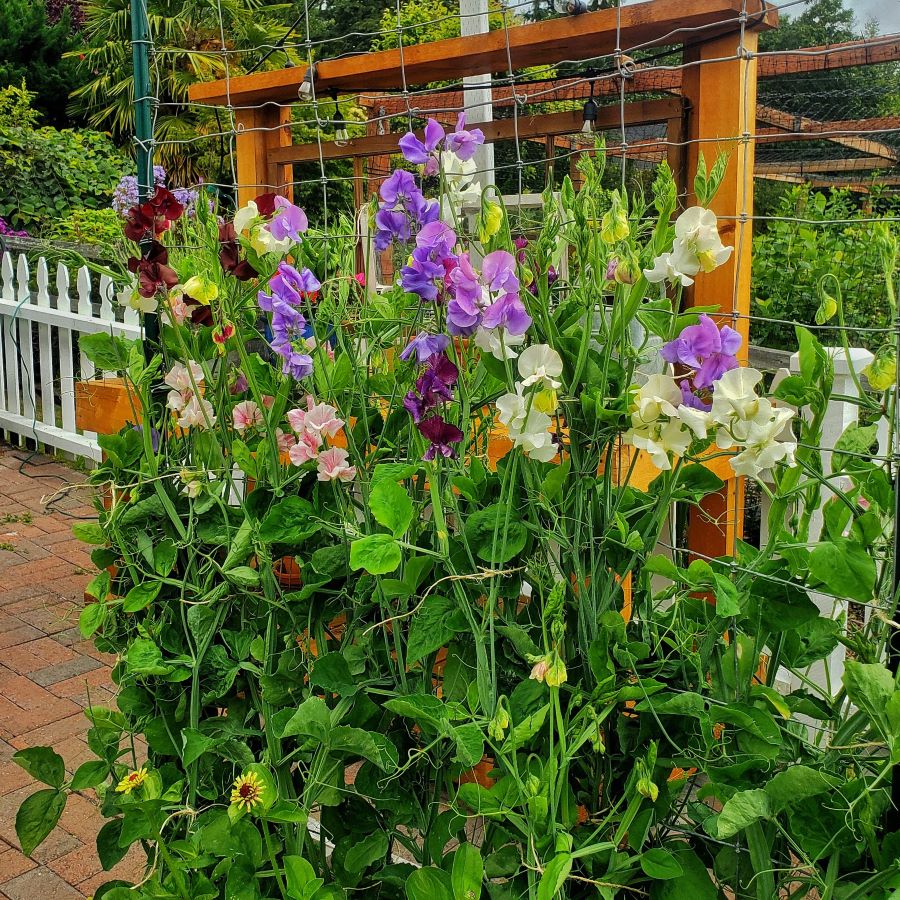
- Peas: Zinnias can help to improve the growth of peas by attracting pollinators.
- Carrots: Zinnias can help to repel carrot flies, which are a common pest of carrots.
- Beans: Zinnias can help to improve the growth of beans by attracting pollinators.
- Squash: Zinnias can help to deter squash bugs, which are a common pest of squash.
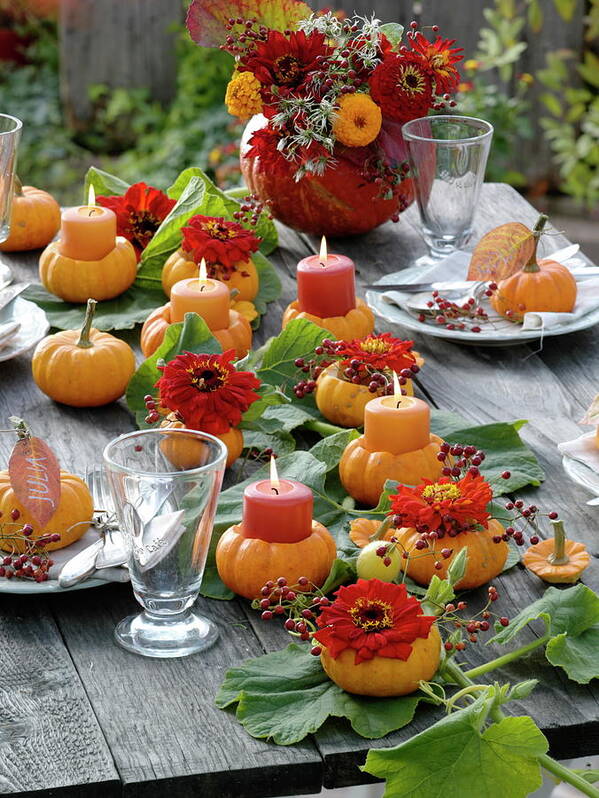
- Pumpkins: Zinnias can help to attract pollinators, which can help to improve the pollination of pumpkins.
- Sunflowers: Zinnias and sunflowers are both tall plants that can be planted together to create a vertical accent in the garden.

- Marigolds: Marigolds and zinnias are both brightly colored flowers that can be planted together to add a pop of color to the garden.

- Coneflowers: Coneflowers and zinnias are both daisy-like flowers that can be planted together to create a meadow-like effect in the garden.

Post a Comment for "The Best Zinnia Companion Vegetables For A Thriving Garden"